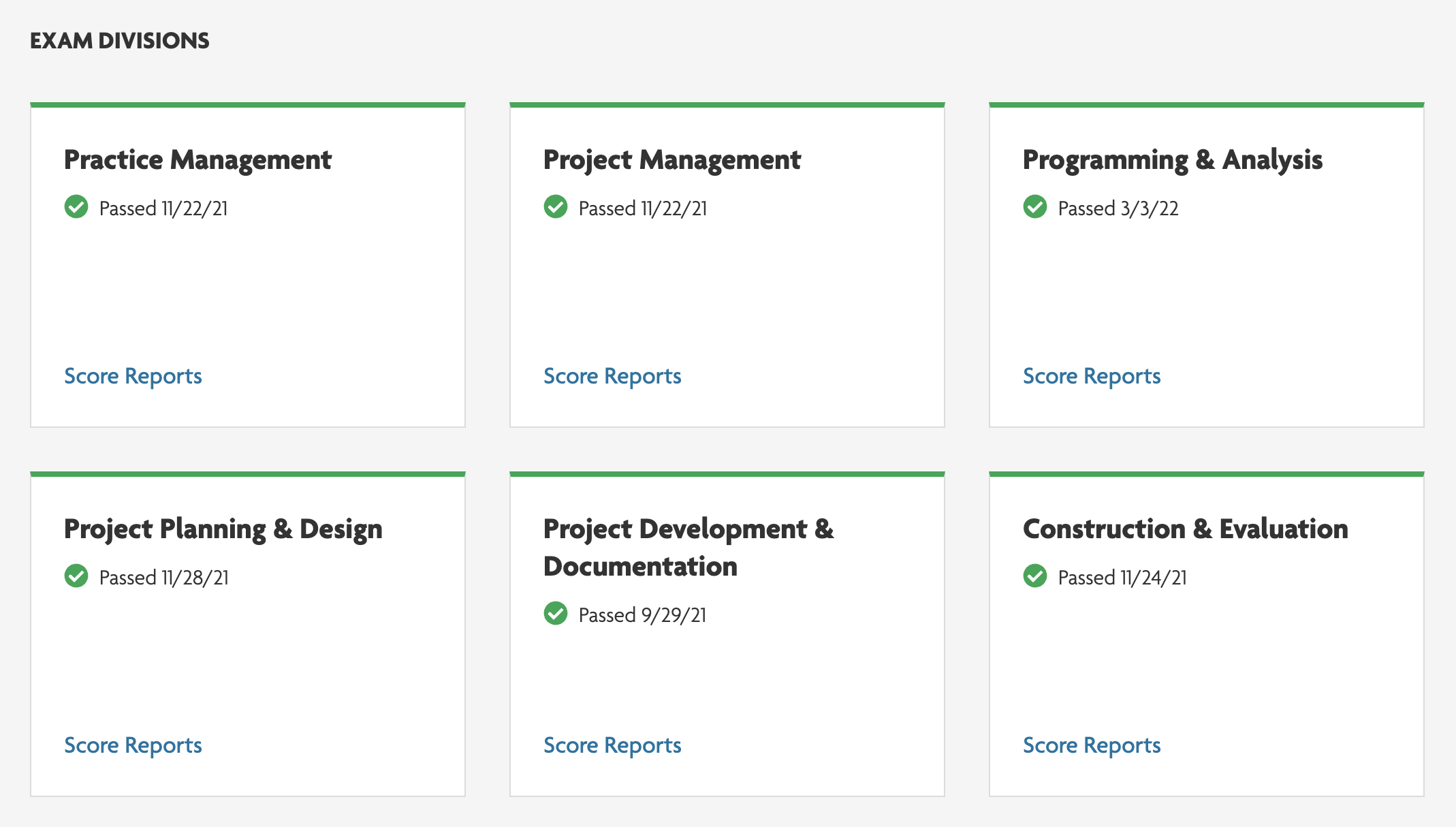
After failing five of my ARE exams, I had to confront a hard truth: the study techniques I relied on simply were not working. Despite two and a half months of nonstop studying, I still was not retaining the material, and all my effort felt wasted. Instead of mindlessly continuing the same cycle, I chose to pause, reflect, and explore how to truly learn how to learn for my AREs. That decision set me on a fascinating journey that ultimately reshaped my entire approach to my ARE preparation.
Discovering Better Methods
During my research, I stumbled upon a video by Ali Abdaal: How to Study for Exams - An Evidence-Based Masterclass. This Youtube video, rooted in study method used by medical students, opened my eyes to the science of effective learning. It was not just about putting in hours; it was about how those hours were spent.
From there, I broke down my research into three key pillars: understanding, retaining, and focusing.
1. Understanding: Building a solid foundation for AREs
I realized that the first step to mastering any subject was building true understanding. This means going beyond simply copying notes and instead actively engaging with the study material.
Taking notes in my own words. T his pushed me to actively process the information instead of simply copying it down. By reshaping the material in my own words, I could identify key ideas, link them to what I already knew, and spot gaps in my understanding. That extra mental effort deepened my comprehension and made the subject matter much easier to remember later.
Sketching my own diagrams.
Sketching diagrams felt like rewriting concepts in my own visual language. As I drew, I could layer information, compare and contrast ideas, and clarify relationships. It was similar to drawing exercises I did in architecture school, where I observed building elements and made deliberate choices about what to record. Because it was impossible to sketch everything I saw, I had to prioritize what mattered most. This process helped me digest the material more effectively and deepened my overall understanding.
Writing notes for my future self.
I pictured my future self completely forgetting the topic. My notes had to serve as a clear explanation for that version of me - simple, direct, and easy to follow. That is why putting concepts into my own words and creating sketches proved so powerful: it captured exactly how I understood the material. In essence, my notes became reminders and guides for my forgetful future self, like a teacher carefully organizing and presenting the information I would need later.
2. Retaining: Fighting the forgetting curve
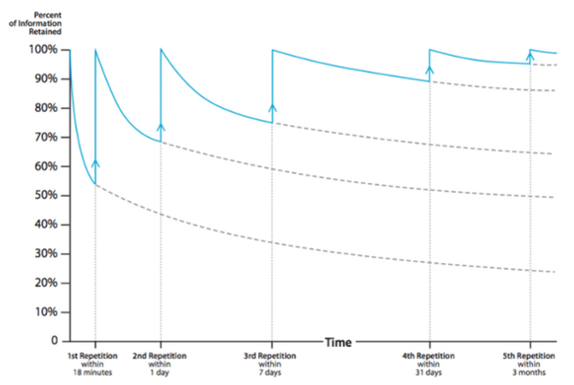
One of the most eye-opening concepts I came across was Hermann Ebbinghaus’s forgetting curve - the idea that newly learned information quickly fades unless it is reinforced. To understand this better, the analogy of a cup with a hole was incredibly helpful.
The Cup with a Hole Metaphor
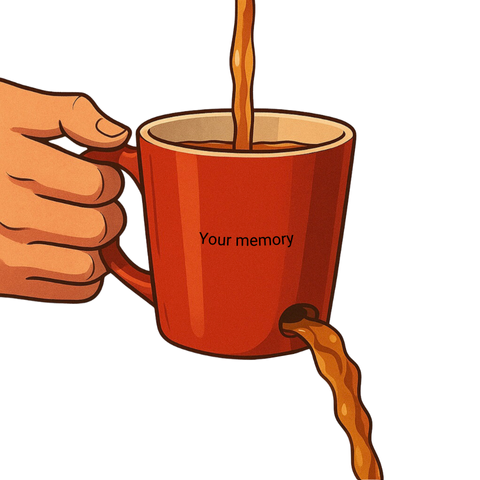
- The cup = your brain.
- The water = the ARE study materials you are trying to learn.
- The leakage = forgetting. As soon as you stop pouring, the water (knowledge) leaks out.
When I relied only on passive learning (such as re-reading books, skimming notes, or cramming), I was simply pouring more water into a leaky cup. The knowledge slipped away almost as quickly as I tried to add it.
So, how did I stop the leak?
Active Recall
Active recall was like plugging the hole in the cup. Instead of passively reviewing, I encouraged my brain to actively retrieve information:
- Quizzed myself with flashcards.
- Wrote down everything I could remember without looking.
- Taught the concept to someone else in public forums and explained it to my future self through notes.
- Took practice quizzes.
- Completed multiple full-length practice exams
These active recall methods mirrored the kind of thinking I needed during the ARE exams. They trained my brain to retrieve what I had studied and to know when and how to apply it. Over time, they also built the stamina to recall information consistently throughout the long hours of the actual test.
3. Focusing: Protecting Your Attention

Even the best techniques fail without focus. In today’s world, distractions are everywhere, especially our phones.
Placed my phone in another room. Out of sight, out of mind. When I was studying for my exams, I often left my phone in another room to avoid distractions. This simple habit helped me immerse myself in the study material and stay focused for long periods.
Switched my phone to black and white mode. This simple change reduced my phone’s visual appeal and helped me cut down my screen time. When I needed to keep my phone nearby while studying, switching to black and white made it less tempting and discouraged me from wasting time doomscrolling.
Protecting my attention was the foundation that allowed my study methods to truly work.
Conclusion
My journey began with frustration - failing five out of six exams despite months of effort. But choosing to pause, reflect, and relearn how to learn completely reshaped my approach. By focusing on understanding deeply, retaining knowledge through active recall and protecting my attention, I discovered the most effective study strategy for my AREs. If you ever find yourself trapped in the same cycle I once faced, remember this: successful ARE strategy is not measured by how many hours you put in, but by how wisely you use them. With the right strategies, failure becomes valuable feedback - turning failure into feedback that helped me pass my AREs.